Great
Gift Ideas...
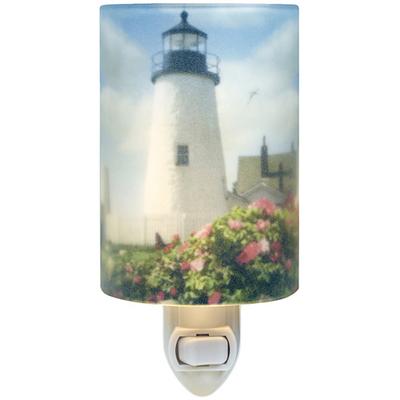
 Lighthouse
& Nautical Night Lights Lighthouse
& Nautical Night Lights
Lighthouse
Tapestry Throws
and
Wall Hangings
Lighthouse
Sculptures
   Large
Sculptures Large
Sculptures
Small
Sculptures
Miniatures
Sculptures
Lighthouse
Finials
Lighthouse
Magnets
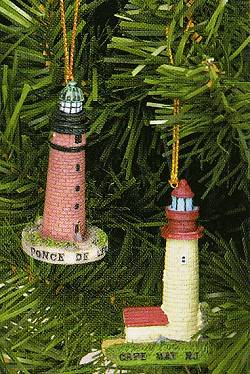
Lighthouse
Ornaments
Lighthouse
Pull Chains
Lighthouse
Holiday Cards
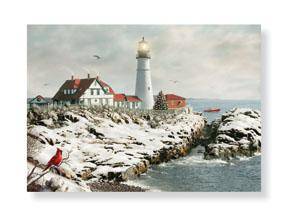
Lighthouse
Ornaments
 |
. |
Don't want to use your credit
card online... Now you can place your order using our Order By Phone feature
during the checkout process. It couldn't be easier... Simply
add the items to your shopping cart then choose the "Phone In Order" option
for payment method. You will receive an order confirmation with our
phone number to call to place your order.
We look forward to hearing
from you soon!
 Nautical
Wall Decor Nautical
Wall Decor
Nautical
Clocks
Nautical
Fine Table
Art
Sculptures
Nautical
Garden Bell
and
Wind Chimes
Nautical
Eye Glass Case
Kidorable
Outerwear
A must
have for the Rainy Season!
|
. |
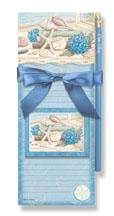
Lighthouse
& Nautical Magnetic Note Pads
 to
usalights.com
to
usalights.com
Several Choices
Great For Gifts!

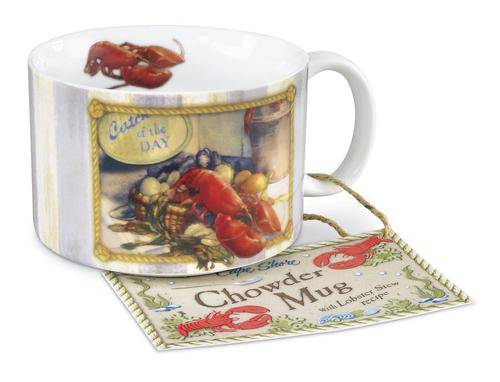
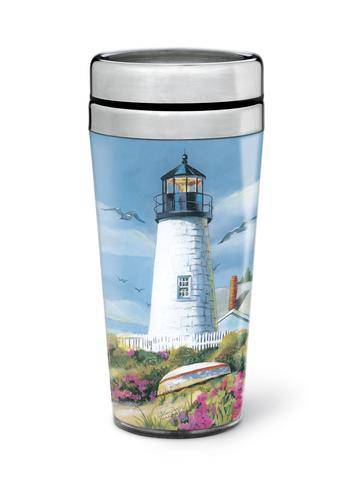
Chowder
Mugs &
Travel
Mugs
See Our Selection!
CLICK
HERE
|


